location
Israel
WA Awards, Third cycle March 2009
Mixed-use development
58,000 sqm
Proposal 2008
Le Corbusier was noted for his praise of the straight automobile lanes and his contempt for the curved “pack-donkey`s way”. The modernistic approach has since turned motorized transport routes into the foremost element of urban planning. Today a considerable amount of city-space is occupied by asphalt roads, while a further amount of asphalt covers the ground for car parks. These asphalt spaces operating within the city system are immensely wasteful areas, due to the misconception that each land use should be allotted a separate part of the city surface. The spread of urban functions means people seek employment farther away from their homes and also find themselves driving greater distances for shopping and leisure.
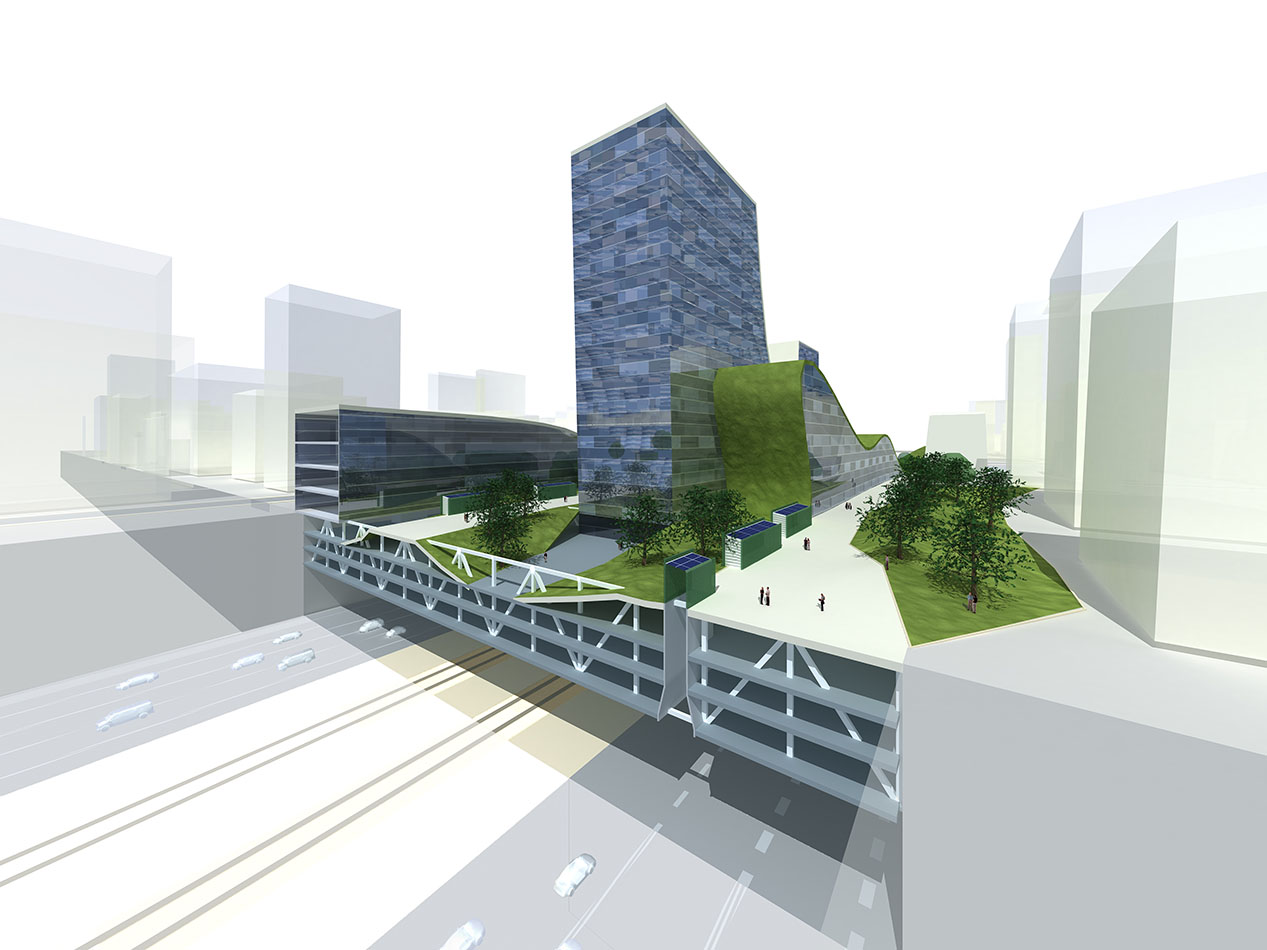
The private automobile consumes large amounts of energy form the earth`s non-renewable sources and is a significant source of air pollution. Inside the city, the streets of combine pedestrian and motorized traffic and serve the buildings alongside them. However, the highway traffic system which encircles the city centre in order to reduce congestion within the city creates a transportation artery set apart from the urban fabric. This network or `river of traffic` transforms strategic plots in the city into rarely-used land and expands the cloud of urban smog.
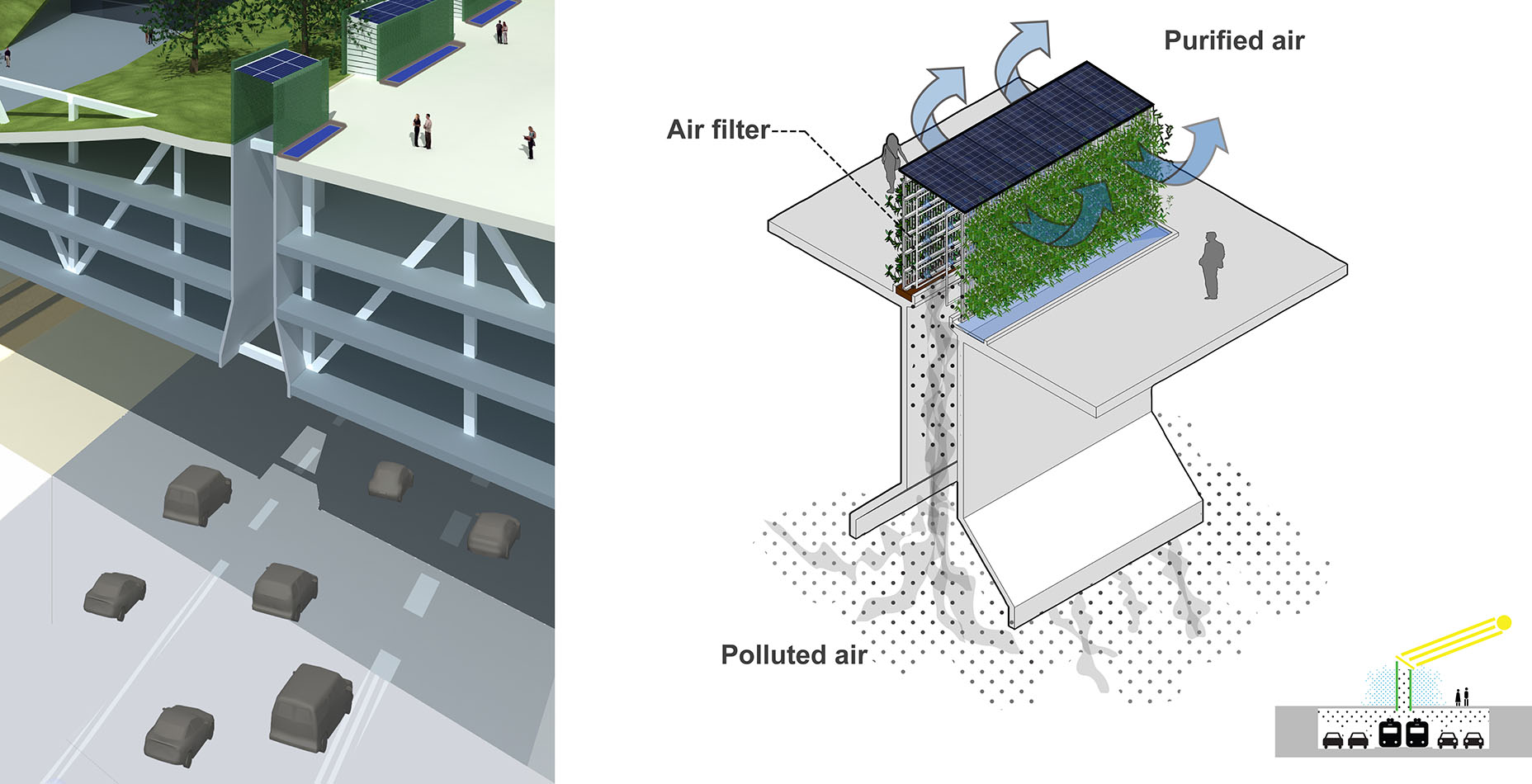
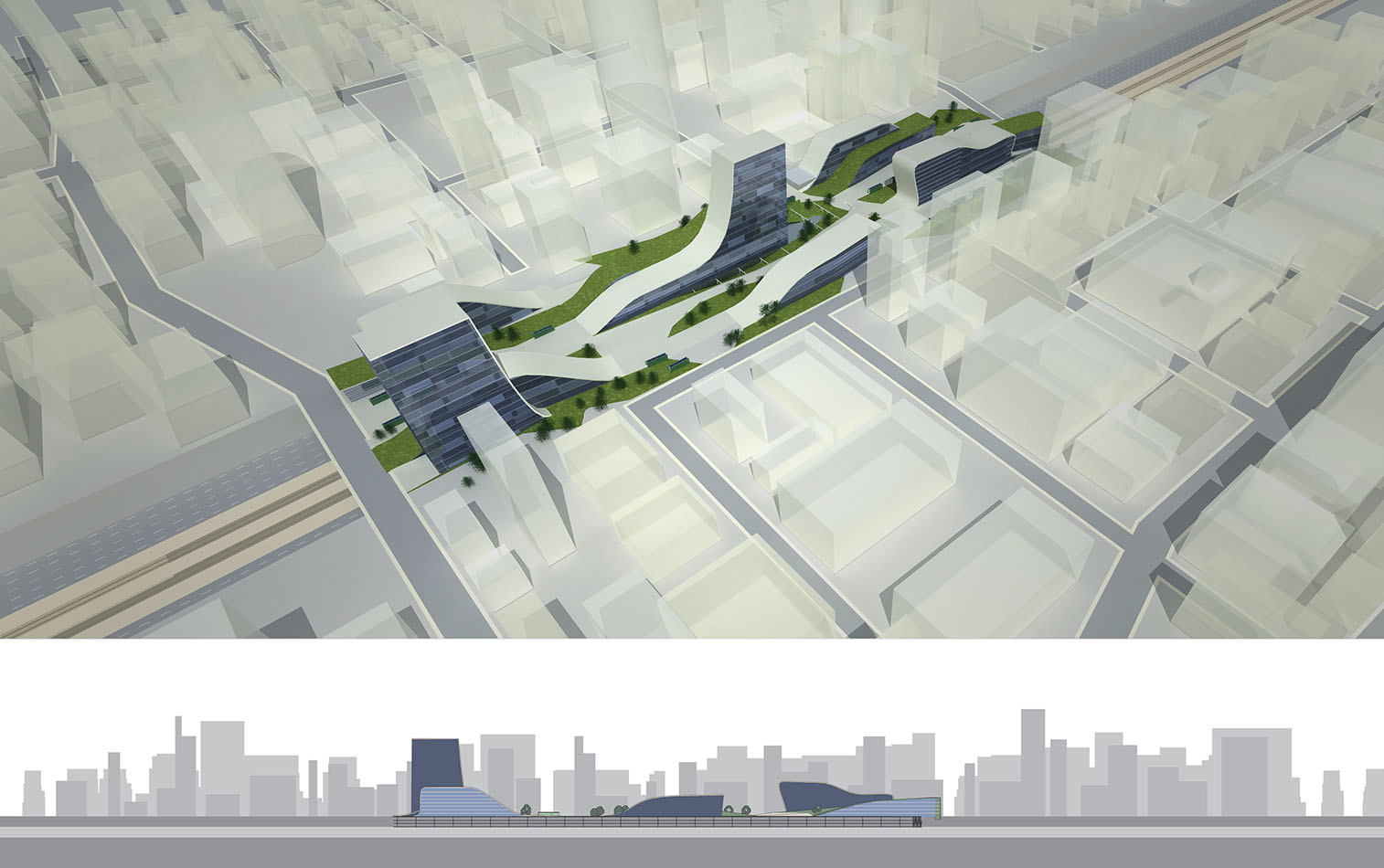
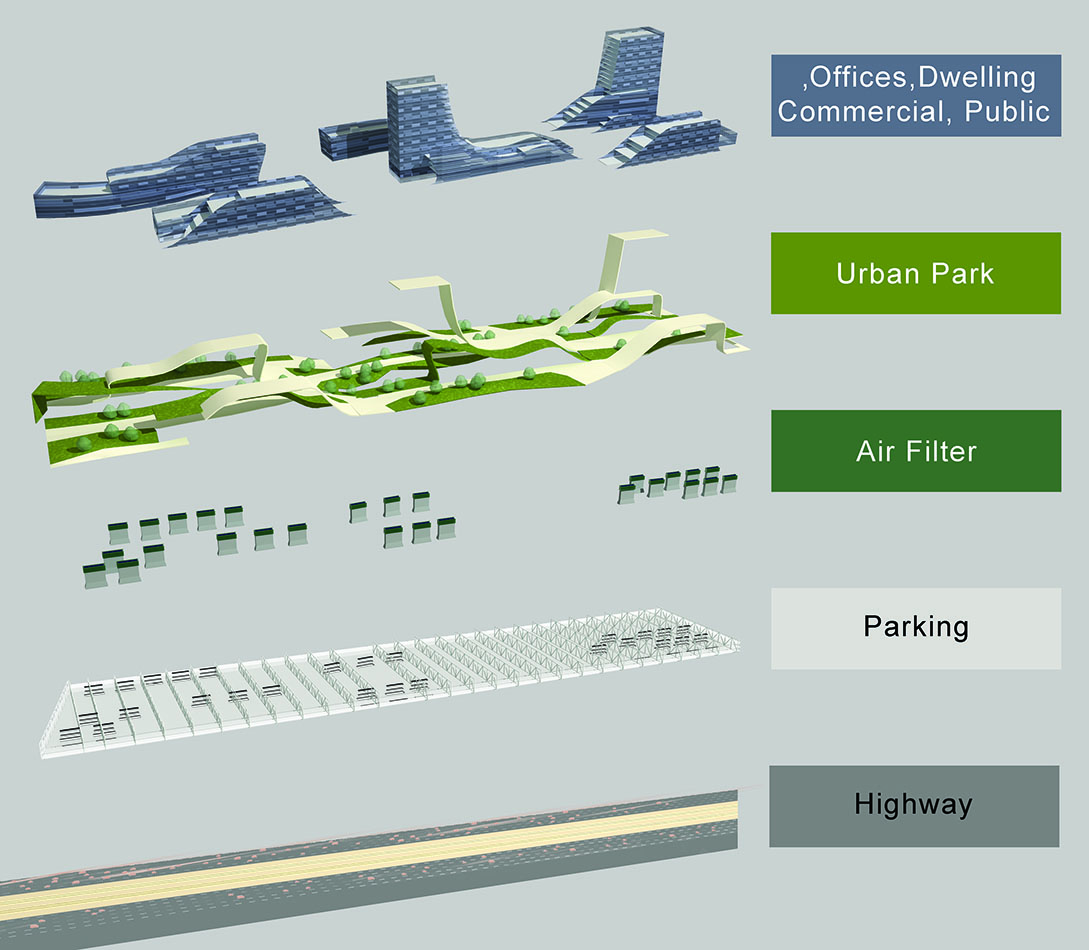
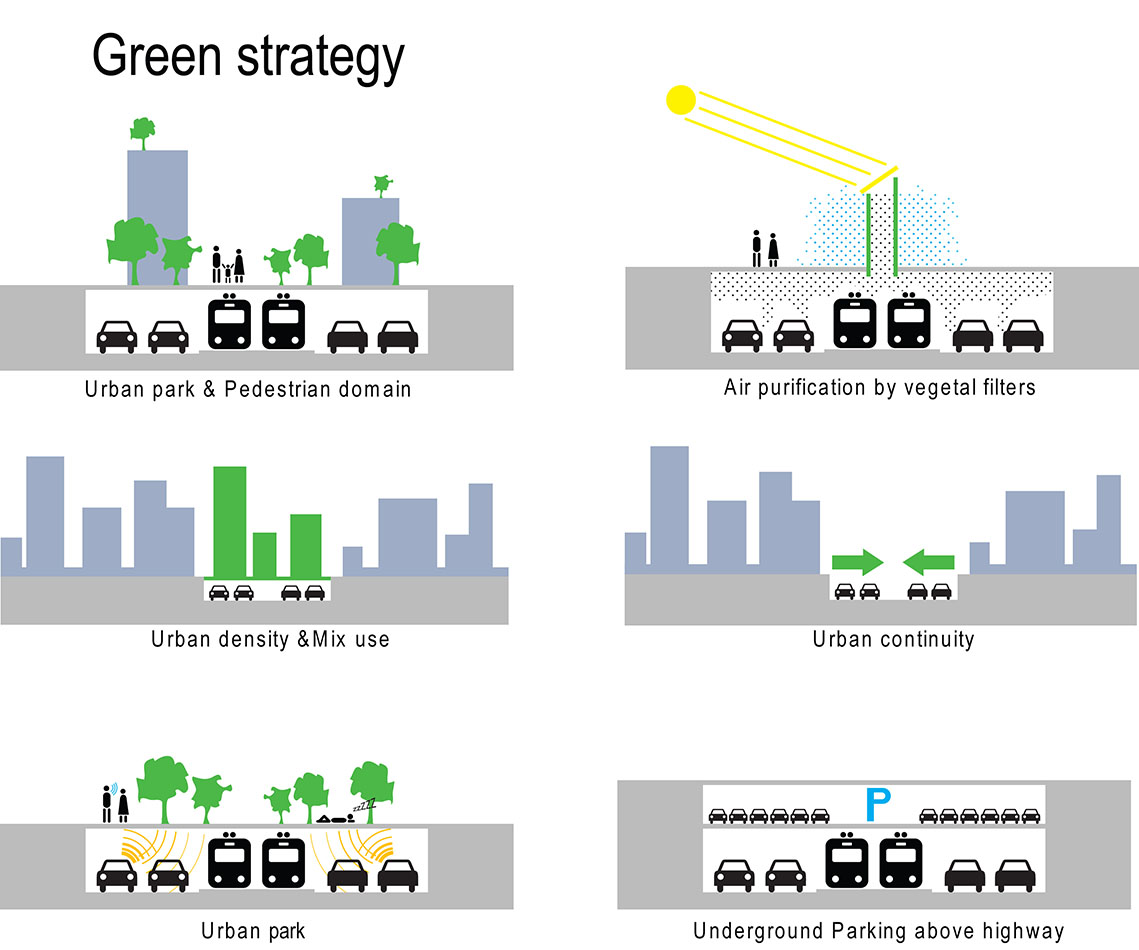
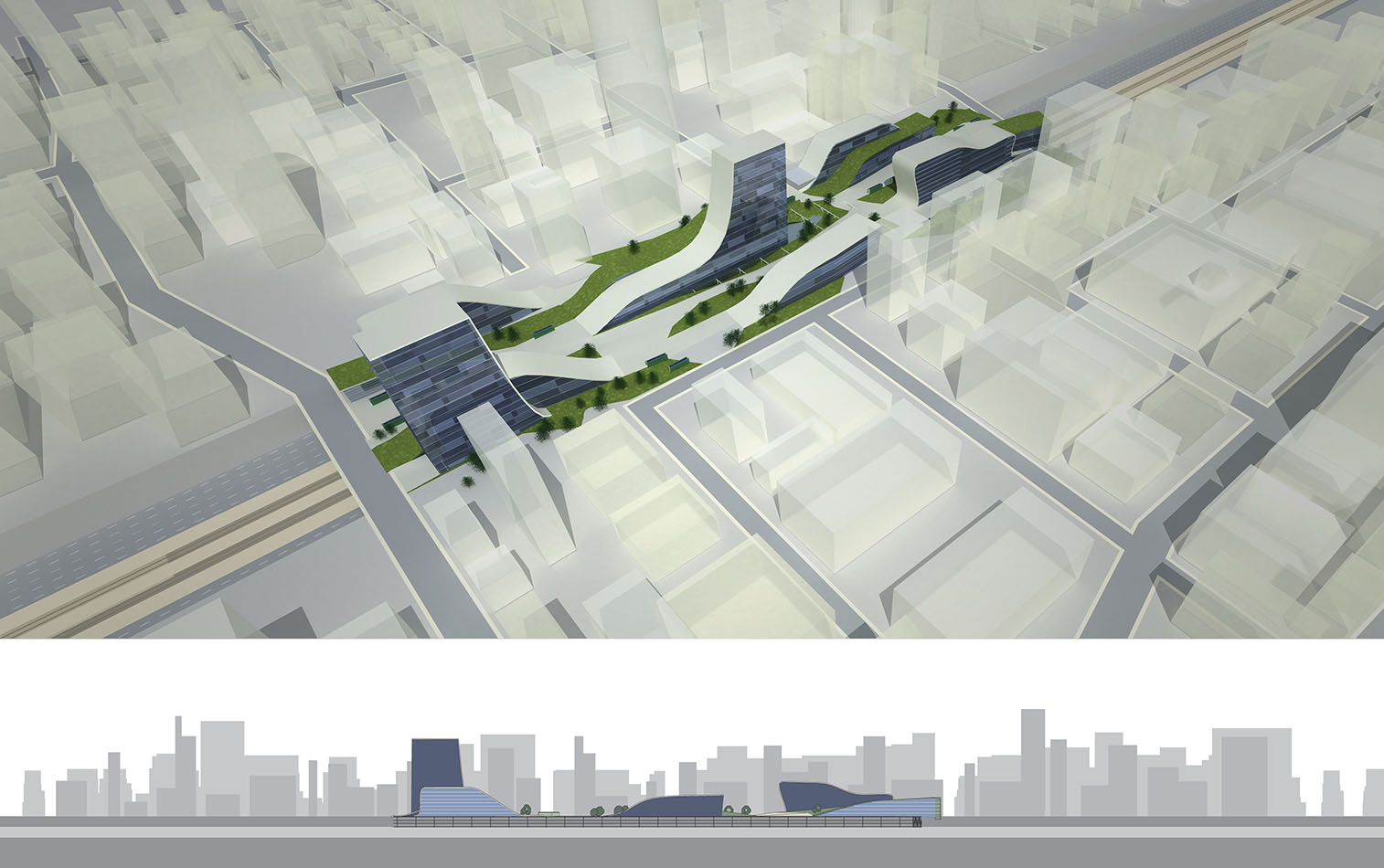
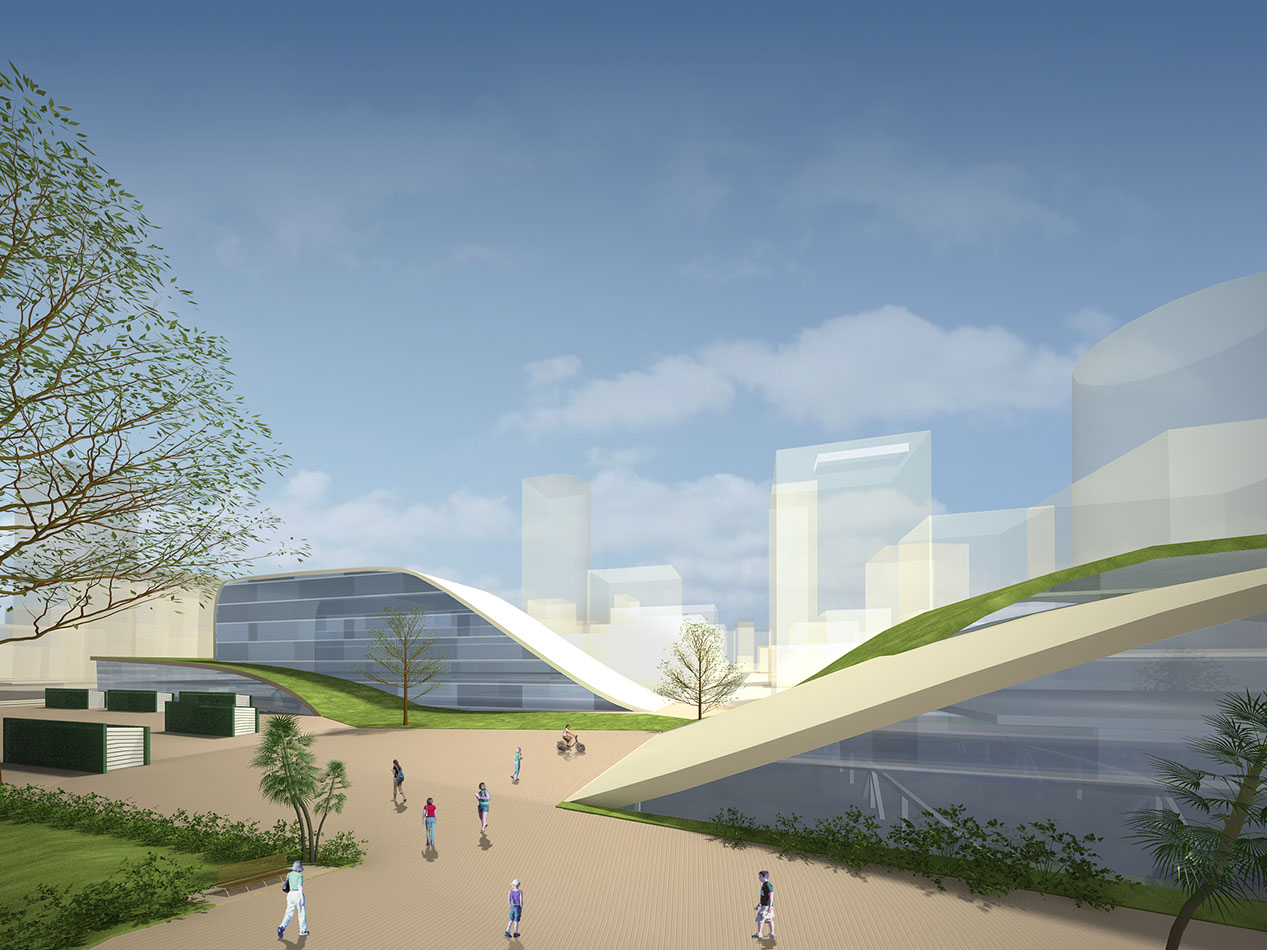
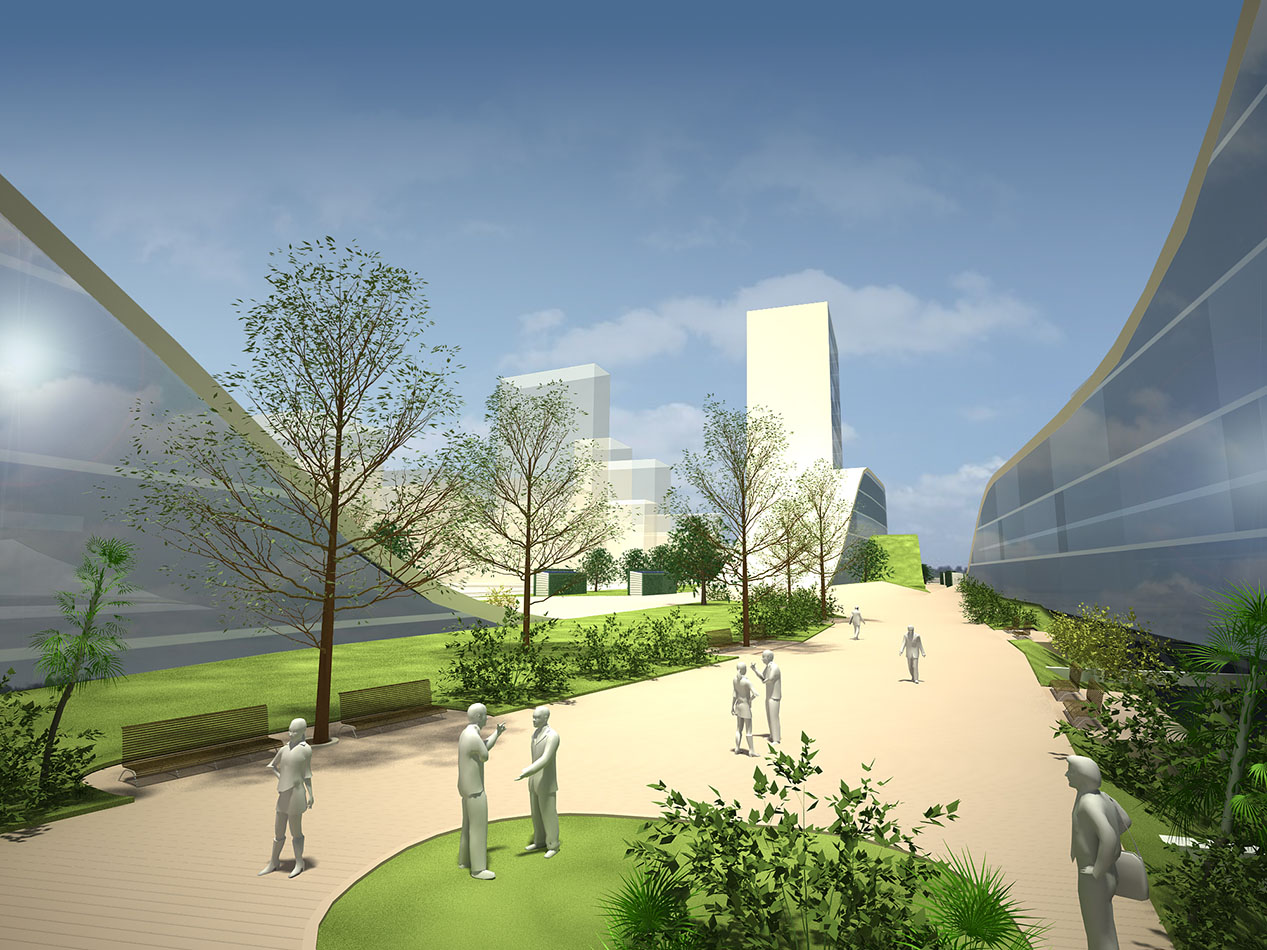
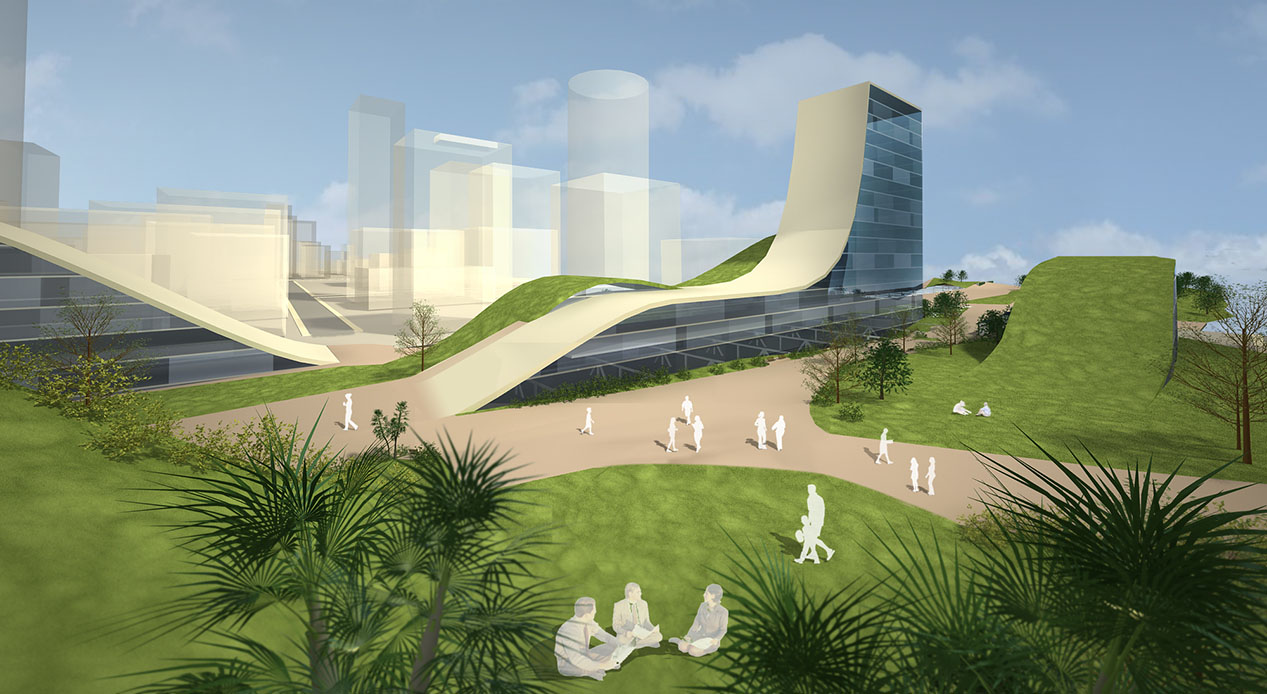
Highway Habitat project proposes a clever use of these valuable areas. The built mass connects both parts of the city split by the traffic artery by means of a continuity of buildings and open spaces. This plan provides the city with a system of green spaces for the inhabitants, public facilities combined with habitation, workspaces and areas for commerce and leisure. This mixed-use strategy is a key ingredient for creating a sustainable environment, made by planning a complete system with a variety of functions that contribute to a socially-advanced community, creating round-the-clock activities and notably reducing the need for transportation.
You might also like